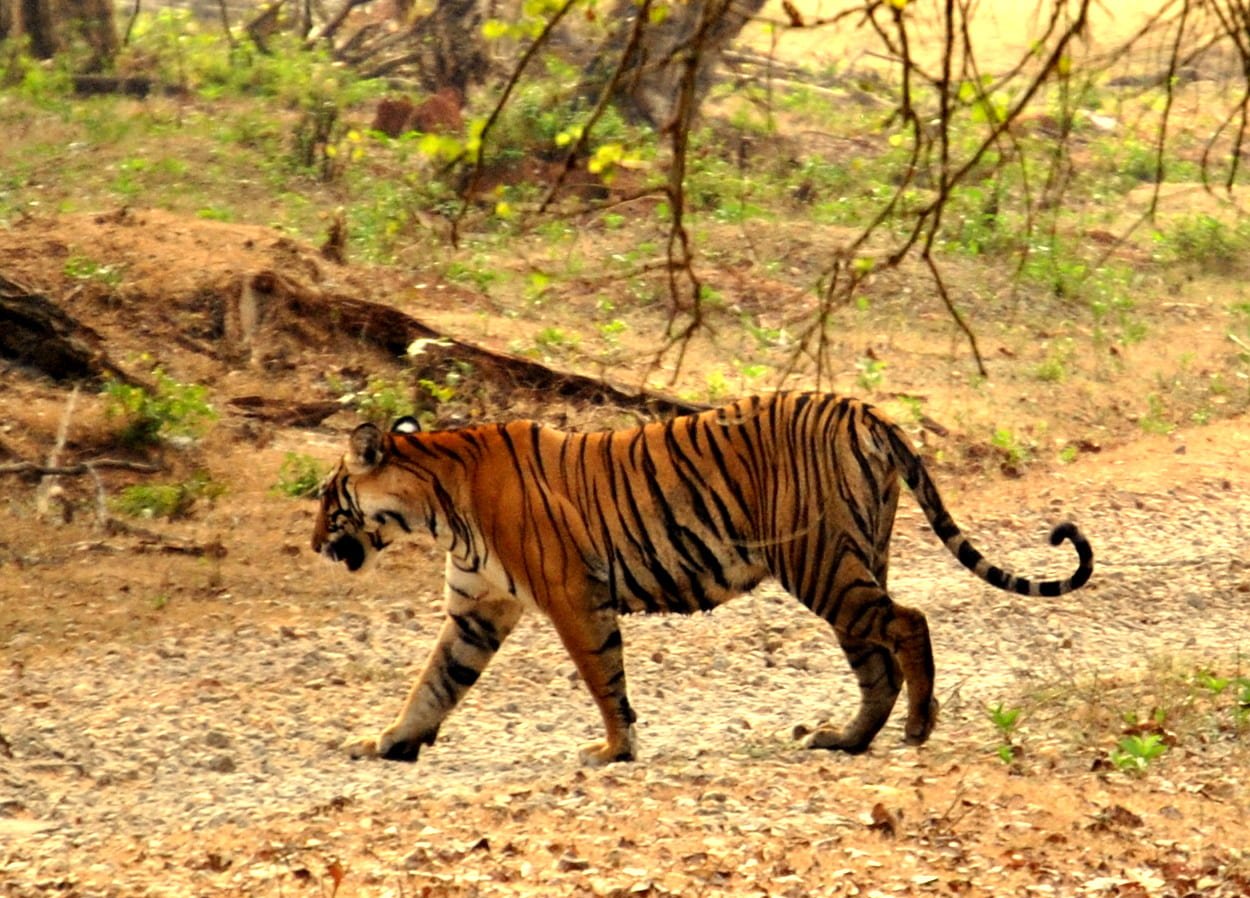
You know how sometimes you build a place up in your head and when you finally get there, it’s a letdown? Nagarhole National Park isn’t that. It’s the opposite. I’d seen a couple of photos, heard a friend mention “tigers, elephants, boat rides on Kabini,” and thought, okay, another forest. But the moment I entered, I realized I was way off. The air itself changed—cooler, damper, thick with the smell of wet earth and… elephant dung (yep, that’s real).
I wasn’t just a tourist. I was trespassing in someone else’s kingdom.
At a Glance (because you’ll want the basics handy)
| Detail | Info |
| Location | Kodagu & Mysore districts, Karnataka |
| Area | 848 km² |
| Established | Sanctuary (1955), National Park (1983), Tiger Reserve (2003) |
| Part of | Nilgiri Biosphere Reserve |
| Famous For | Tigers, elephants, leopards, dholes, birdlife |
| Best Time to Visit | October to February |
A Little History (with royal drama)
Here’s a fun (and slightly disturbing) nugget: once upon a time, this was the private hunting reserve of the Wodeyar kings of Mysore. Yep, imagine royal hunting parties chasing big cats for trophies. Hard to digest when you’re bouncing along a safari track hoping to spot the same creatures.
Luckily, things shifted. In 1955 it became a sanctuary, then a national park, and finally a tiger reserve in 2003. Today, the only shooting allowed is with cameras.
And the name? Simple but poetic. Naga = snake, hole = river. The forest streams curl and twist like serpents. Walk along them and you’ll see exactly why the name stuck.
The Living Jungle: Flora & Fauna
I’ll skip the textbook list and just tell you what it feels like.
One moment, you stand in teak groves as sunlight cuts in bright golden beams. You turn a bend, and bamboo thickets pack the trail; you think the forest swallows you. The soundtrack? Crickets, a peacock call that bursts, plus the thud of something large moving through undergrowth near you at night.
- Tigers: Did I see one? Nope. Did I feel one? Absolutely. The forest goes quiet, spotted deer freeze, langurs scream alarm calls—that’s when you know a tiger is near. The unseen is sometimes scarier than the seen.
- Elephants: Whole families of them. Calves tripping over their trunks, mothers flapping their ears to warn you to back off. Once, our jeep had to stop dead while a herd casually crossed, as if they owned the road (and let’s be real, they do).
- Leopards: Didn’t spot one, but guides whisper about the “ghost of Kabini”—the famous black panther. The idea that it could be out there kept me craning my neck at every tree branch.
- Dholes (wild dogs): These guys surprised me. Red coats, moving like soldiers, completely fearless. Watching them trot down the forest path made my whole trip feel more special.
- Birds: People who like birdwatching should bring good binoculars. Malabar hornbills, serpent eagles, bee-eaters sparkle like precious stones—I stopped trying to name them after some time and watched them.
It’s not just animals. The forest itself feels alive—rosewood and sandalwood trees, thick creepers, even the silence hums.
Safari Adventures & Activities
This is why most people come, and honestly? Worth every rupee, every pothole on the road to get here.
- Jeep Safari: I dragged myself out of bed at 5 AM for this. Still dark, freezing wind, my coffee spilling as the jeep rattled along. And then—the forest waking up. A langur leaping, deer grazing, the hope that around the next bend might be stripes. Even when “nothing” happens, everything feels electric.
- Boat Safari on Kabini: Picture a small round boat; you drift on glass water while soft mist wraps the shore. Elephants reach the riverbank, drink and splash, and they ignore you. From a gray log, a crocodile drops into the channel with no sound. My fingers slipped, and I dropped my camera.
- Birdwatching:My jeep crew laughed when I squealed at a big hornbill, but those long yellow beaks stun me. If tigers hide, the birds will entertain you.
- Nature Walks & Treks: You can’t wander into the core (rules are strict), but in buffer zones you can take guided walks. I found myself crouching over ants, learning about medicinal plants, even tasting wild berries (don’t try that without a guide).
- Nearby Spots: Iruppu Falls—absolutely refreshing. After dusty safaris, the spray on your face feels like a gift. Bandipur is just next door too, if you’re greedy for more jungle.
Here’s the thing: safaris are a gamble. Some trips give you amazing photos, others give you just dusty shoes. But the excitement never stops.
The Human Story: Tribes & Conservation
Too often, travelers skip this part. But Nagarhole National Park isn’t just about animals. It’s also about people.
The Jenu Kuruba tribe lived here long before the park was declared. Many were relocated when it became a reserve, a move that was complicated and painful. Some people work as guides and trackers, sharing old forest knowledge with tourists. Conservation means more than tiger protection—people must balance human needs with wildlife survival. This battle is tough. Poachers kill animals. Loggers cut trees without permission. Forest fires destroy habitats. Real dangers exist here. The forest lies within the Nilgiri Biosphere Reserve, which UNESCO supports. This gives extra protection. Yet when you walk trails, you see the struggle continues.
Planning Your Trip (from someone who made mistakes)
You need this:
- Best Time: October through February. Mornings stay cool, evenings crisp, perfect for safaris. Summer (March–May) brings heat but animals gather around water sources, making sightings simple. Rainy season creates beauty but limits safaris.
- Getting There: Mysore has the nearest airport (90 km). Bangalore sits ~220 km away. Your drive passes coffee farms, villages, and curving hill roads. Take your time.
- Safari Timings: Morning (6–9 AM) and evening (3–6 PM). Morning safaris feel magical but cold—bring warm clothes.
- Where to Stay: Pick fancy river lodges where you drink cocktails under stars or simple guesthouses in nearby towns. I chose a jungle lodge near Kabini. Elephant sounds woke me each morning. I refuse to stay anywhere else now.
- Itinerary Idea:
- Day 1: Get there at noon, check in, take evening boat trip, sunset over Kabini.
- Day 2: Morning jeep ride, eat brunch, rest, visit Iruppu Falls.
- Day 3: Another safari, because honestly, one is never enough.
And for heaven’s sake, carry binoculars and a scarf. And a little patience. This isn’t a zoo.
Nagarhole National Park FAQs
What makes Nagarhole National Park popular?
Tigers, elephants, and its role in Nilgiri Biosphere Reserve draw visitors.
When should people visit?
October to February works best, but summer offers great animal watching near water spots.
How do people book safaris?
People use Karnataka Forest Department website or book through jungle lodges like JLR.
Is it safe for families?
Yes. Safaris are regulated and safe. Kids might get restless—snacks help.
How long should I stay?
At least 2 days. Three if you want to do both jeep and boat safaris.
Final Thoughts
Here comes my confession: I never spotted a tiger. Not once. But did I feel its presence? Absolutely. Every alarm call, every sudden hush, every guide’s sharp intake of breath told me the king of the jungle was out there.
And honestly, that’s the magic of Nagarhole National Park. It doesn’t perform on command. The place shows you elephants at sunset, wild dogs running past like kings, big birds calling from high branches, and water that looks like shiny metal ribbons. The park offers silence, and that quiet sounds stronger than tiger roars.
Would I return? Tomorrow, if I could. Because the forest always has more stories—it just decides when to share them.
External Resources: